
September 28, 2026
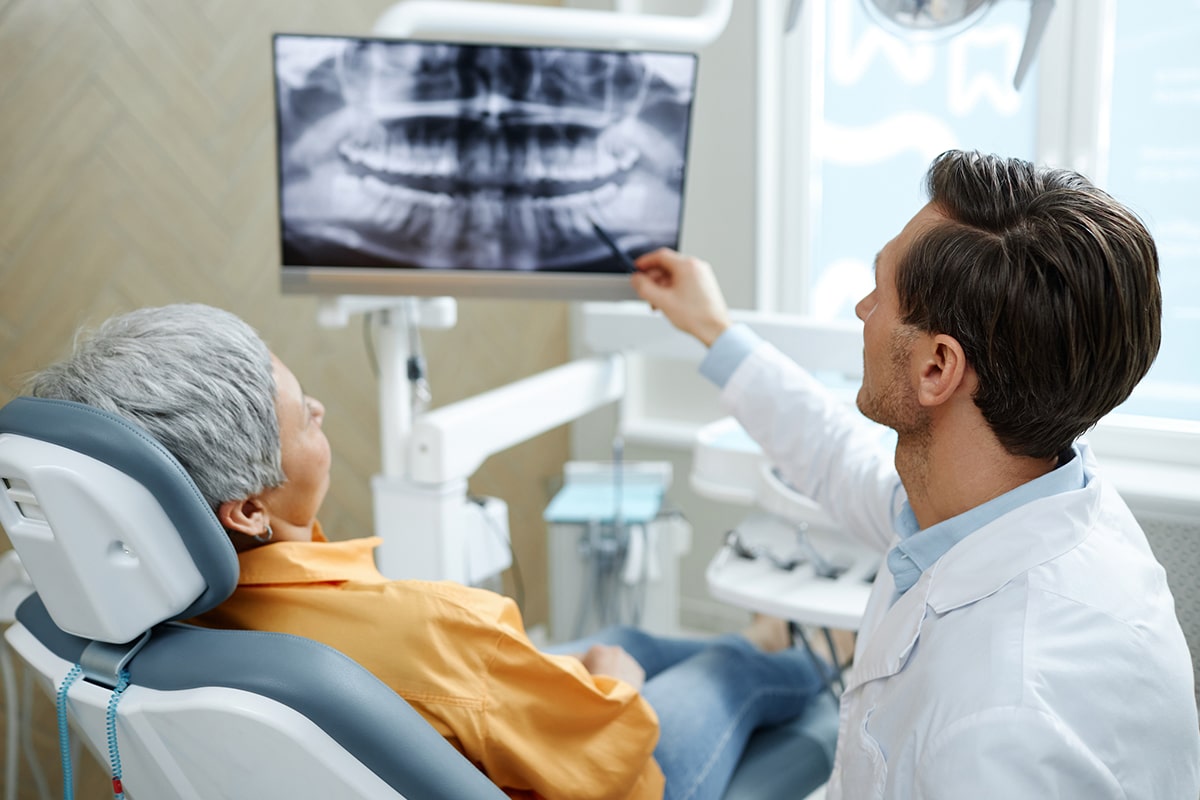
As parents, we naturally want to understand every part of our child’s dental care, especially when it involves technology such as dental X-rays. One of the most common questions families have is whether dental X-rays are safe for children and why they may be needed in the first place.
At Rio Rancho Children’s Dentistry, we believe parents should feel informed and comfortable with the preventive dental care their children receive. Dental X-rays are an important diagnostic tool because they allow us to see areas of the teeth, roots, jaw, and developing smile that cannot always be evaluated during a visual examination. When used appropriately, modern dental X-rays can help us identify problems earlier and make more informed decisions about a child’s oral health.
Why Do Children Need Dental X-Rays?
Even a thorough dental examination only shows us what is visible above the gumline and on the exposed surfaces of the teeth. Some dental concerns develop where we cannot see them without additional imaging.
Dental X-rays can give us a more complete picture of a child’s oral health. Depending on the type of images taken, we may use them to look for cavities between teeth, examine tooth roots, evaluate the surrounding bone, monitor developing permanent teeth, or check how a child’s teeth and jaws are growing.
This information can be particularly valuable during childhood because the mouth changes quickly. Baby teeth are lost, permanent teeth develop beneath the gums, and the jaw continues to grow. Dental imaging allows us to monitor these changes and identify concerns that may benefit from early attention.
For example, a cavity developing between two teeth may not be obvious during a routine visual examination. Without an X-ray, the decay could continue growing before it becomes noticeable. Detecting the problem earlier may allow us to recommend more conservative treatment and protect more of the natural tooth structure.
X-rays can also help us monitor the location and development of permanent teeth before they erupt. This can provide useful information about crowding, missing teeth, unusual eruption patterns, and other developmental concerns.
Are Dental X-Rays Safe for Children?
Modern dental X-rays use very small amounts of radiation to produce diagnostic images. Dental technology has also continued to improve, allowing dentists to capture the information they need efficiently while limiting unnecessary exposure.
At our pediatric dental office, we consider a child’s individual dental needs when determining whether X-rays are appropriate. Dental imaging is not simply something that needs to be performed the same way at every appointment for every child. The timing and type of X-ray can depend on factors such as age, dental development, oral health history, cavity risk, symptoms, and findings during the examination.
Digital dental X-rays provide another advantage because images can be viewed quickly on a computer. This allows us to examine specific areas closely and use the images as part of our discussion with parents.
It is also helpful to put dental X-rays into perspective. We are all exposed to small amounts of background radiation as part of everyday life from natural sources in the environment. Dental professionals follow established safety practices designed to keep exposure as low as reasonably achievable while still obtaining the diagnostic information needed to provide appropriate care.
Parents should always feel comfortable asking why an X-ray is being recommended. We want families to understand how the image may help us evaluate their child’s health and what information we hope to learn from it.
How We Minimize Radiation Exposure During Pediatric Dental X-Rays
Our goal is to obtain useful diagnostic information while limiting radiation exposure whenever possible. One of the most important ways we accomplish this is by taking X-rays based on an individual child’s needs rather than taking unnecessary images.
Modern digital imaging technology makes it possible to capture detailed images efficiently. Proper positioning and technique are also important because a clear image reduces the likelihood that an X-ray will need to be repeated.
The number and frequency of dental X-rays can vary considerably from one child to another. A child with a history of frequent cavities, for example, may benefit from imaging on a different schedule than a child who has consistently healthy teeth and a very low risk of decay.
Age alone does not determine how often X-rays should be taken. We consider the complete clinical picture, including what we can see during the examination and whether there are areas that cannot be evaluated adequately without imaging.
Parents can also help by letting us know about any recent dental X-rays their child has received elsewhere. When appropriate images are already available, obtaining those records may prevent unnecessary duplication.
What Can Dental X-Rays Detect in Children?
Dental X-rays can help us evaluate several aspects of a child’s oral health that may otherwise remain hidden.
One of their most common uses is finding tooth decay between teeth. These surfaces are difficult or impossible to see completely during a visual examination. Because cavities can progress before a child experiences pain, X-rays may reveal decay before the problem becomes more extensive.
We may also use X-rays to evaluate the roots and surrounding structures of a tooth after an injury. Children are active, and falls or sports-related accidents can sometimes damage teeth even when the problem is not immediately visible.
Dental images can also provide information about:
- Developing permanent teeth beneath the gums
- The position of teeth that have not yet erupted
- Jaw and bone development
- Possible infections near tooth roots
- Dental injuries
- Spacing or crowding concerns
- Missing or additional teeth
- Certain developmental abnormalities
Not every child needs imaging for every one of these reasons. Instead, X-rays give us another diagnostic tool that can be used when the information is relevant to an individual child’s care.
How Often Should Children Have Dental X-Rays?
There is no single X-ray schedule that is right for every child. The appropriate frequency depends on the child’s oral health, dental history, stage of development, and risk for future problems.
A child who has experienced multiple cavities may need X-rays more frequently so we can monitor areas that are particularly vulnerable to decay. Another child with healthy teeth, good oral hygiene habits, and a low cavity risk may be able to go longer between certain types of images.
As children grow, the reasons for taking X-rays can change as well. In younger children, we may be especially interested in monitoring tooth decay and the development of permanent teeth. As a child gets older, images may help us assess eruption patterns, spacing, jaw growth, or other developmental factors.
Our approach is to recommend imaging when the expected diagnostic benefit supports taking the X-ray. If parents have questions about how frequently images are recommended, we encourage them to ask. Understanding the reason behind a recommendation can make dental care feel much less intimidating.
Helping Your Child Feel Comfortable With Dental X-Rays
For many children, the unfamiliarity of taking an X-ray is more concerning than the X-ray itself. They may wonder what the equipment does, whether anything will hurt, or why they need to sit still.
We believe positive dental experiences begin with communication. Explaining the process in simple, age-appropriate language can make it easier for a child to cooperate and feel confident.
Parents can help by keeping explanations calm and positive before the appointment. Rather than focusing on whether something might hurt, it can be helpful to explain that the dental team may take special pictures of the teeth so we can make sure everything is healthy and growing properly.
Our team is experienced in working with children and helping them become comfortable with unfamiliar parts of dental visits. Every child develops at a different pace, so patience, encouragement, and a child-centered approach can make a meaningful difference.
Partner With Us to Protect Your Child’s Growing Smile
Dental X-rays are an important part of preventive and diagnostic dental care because they allow us to identify concerns that cannot always be seen during a routine examination. With modern digital technology and careful consideration of each child’s needs, we can use dental imaging to gather valuable information while minimizing unnecessary radiation exposure.
At Rio Rancho Children’s Dentistry, we want parents to feel confident about every recommendation we make for their child. Whether we are checking for hidden cavities, monitoring developing teeth, or evaluating another concern, our goal is always to provide thoughtful, personalized care that helps children build healthy smiles for the future.
Frequently Asked Questions About Dental X-Rays for Children
Do children need dental X-rays at every checkup?
No. The need for dental X-rays depends on factors such as your child’s age, dental development, cavity risk, oral health history, and what we find during the examination. We recommend imaging based on the individual child rather than automatically taking the same X-rays at every visit.
Can dental X-rays find cavities that a dentist cannot see?
Yes. X-rays can help us identify decay between teeth and in other areas that may be difficult to evaluate during a visual examination. Detecting these problems earlier may allow us to address them before they become larger or cause discomfort.
What are digital dental X-rays?
Digital X-rays use electronic sensors to capture images of the teeth and surrounding structures. The images can be viewed on a computer shortly after they are taken, allowing us to evaluate specific areas of your child’s mouth and explain our findings to parents.
Are X-rays helpful if my child has injured a tooth?
They can be. Depending on the type of injury, an X-ray may help us evaluate the tooth root, surrounding bone, or other structures that are not visible during an examination. We can determine whether imaging is appropriate after evaluating the injury.
Should I tell the dentist if my child recently had X-rays somewhere else?
Yes. Let us know if your child has recently had dental X-rays at another practice. When those images are current and provide the information we need, they may help prevent unnecessary duplication.
At Rio Rancho Children’s Dentistry, we provide personalized pediatric dental care designed to help children feel comfortable while giving parents the information they need to make confident decisions about their child’s oral health. We focus on positive, educational dental experiences and preventive care that can support healthy smiles from childhood through the teenage years. Contact us today to schedule an appointment.