
May 31, 2026
As a parent, you want to do everything possible to protect your child’s smile. Even with regular brushing, flossing, and dental checkups, some children are naturally more prone to cavities than others. One preventive treatment that can make a big difference is dental sealants. These thin protective coatings help shield the chewing surfaces of teeth from plaque, bacteria, and food particles that often lead to decay.
Many parents assume sealants are only necessary after cavities begin to form, but that is not the case. In fact, some children benefit from dental sealants much earlier than expected. Knowing the signs can help you take preventive action before small dental issues become larger problems. At Rio Rancho Children's Dentistry, helping children maintain healthy, cavity-free smiles is always a top priority.
What Are Dental Sealants and Why Are They Important?
Dental sealants are thin, tooth-colored coatings placed on the grooves and pits of molars and premolars. These back teeth are especially vulnerable to cavities because their uneven surfaces can trap food and bacteria. Even children who brush well may have trouble cleaning these hard-to-reach areas completely.
Sealants act as a barrier that protects enamel from harmful acids and plaque buildup. The process is quick, painless, and non-invasive. Once applied, sealants can last for several years with proper dental care and routine checkups.
Many children receive sealants around the time their permanent molars erupt, usually between ages 6 and 12. However, some children may benefit from sealants sooner due to their oral health habits, tooth structure, or cavity risk. Preventive care early on can help avoid fillings, discomfort, and more extensive treatment later.
Your Child Has Deep Grooves or Pits in Their Teeth
One of the biggest signs your child may need dental sealants sooner is the shape of their teeth. Some children naturally have deeper grooves and pits in their molars. These narrow spaces are ideal places for food particles and bacteria to collect.
Even diligent brushing may not fully clean these areas because toothbrush bristles cannot always reach deep into the grooves. Over time, plaque can build up and weaken the enamel, leading to cavities.
During a dental exam, your child’s dentist can identify whether the grooves in their teeth place them at higher risk for decay. Applying sealants early can create a smooth protective surface that is easier to keep clean.
Children with deep grooves often develop cavities quickly if preventive measures are not taken. Sealants offer an effective way to reduce this risk while supporting long-term oral health.
Your Child Has Already Had a Cavity
If your child has already experienced a cavity, even at a young age, it may indicate a higher likelihood of future tooth decay. Some children are simply more cavity-prone due to genetics, enamel strength, diet, or oral hygiene habits.
A history of cavities is often one of the strongest reasons to consider sealants earlier rather than later. Once a child develops decay in one tooth, the same conditions that caused it can affect other teeth as well.
Sealants help protect healthy molars before cavities have a chance to develop. Preventive treatment is especially valuable for children who have had fillings in baby teeth or early signs of enamel weakening.
At regular dental visits, your child’s dental team can monitor cavity risk and recommend whether sealants are appropriate. In many cases, acting early can reduce the need for future restorative treatment.
Brushing and Flossing Are Still a Struggle
Young children are still learning proper brushing and flossing techniques. Even when parents help, it can be difficult to clean every surface thoroughly. If your child struggles with brushing consistency or technique, dental sealants may provide added protection.
Children with busy schedules, orthodontic appliances, or sensory sensitivities may also find oral hygiene more challenging. These situations can increase plaque buildup around the molars where cavities commonly form.
Sealants work alongside good oral hygiene habits by adding an extra layer of defense. While they do not replace brushing or flossing, they can help reduce the risk of decay in areas that are harder to clean.
Parents should continue encouraging healthy habits at home, including twice-daily brushing with fluoride toothpaste and regular flossing. Combining these routines with preventive dental care can significantly lower cavity risk.
Your Child Frequently Eats Sugary or Starchy Foods
Diet plays a major role in cavity development. Children who frequently snack on sugary or starchy foods may have a greater risk of tooth decay. Crackers, chips, candies, juice, and sticky snacks can leave residue on the teeth that feeds harmful bacteria.
Even children with good brushing habits can develop cavities if they snack often throughout the day. Repeated exposure to sugars and acids weakens enamel over time, especially in the grooves of molars.
Sealants can help protect vulnerable chewing surfaces from damage caused by food particles and bacteria. If your child enjoys snacks between meals or drinks sweet beverages regularly, preventive dental treatments may be especially beneficial.
Parents can also help reduce cavity risk by encouraging water consumption, limiting sugary drinks, and offering tooth-friendly snacks like fruits, vegetables, cheese, and yogurt.
Their Permanent Molars Have Recently Erupted
Timing matters when it comes to dental sealants. Permanent molars are most vulnerable to cavities soon after they erupt because the enamel is still maturing. Applying sealants early provides protection during this important stage.
The first permanent molars usually appear around age 6, while the second set often erupts around age 12. These teeth are intended to last a lifetime, so protecting them early is extremely important.
Many parents do not realize that permanent molars can begin developing cavities within months of eruption if preventive care is delayed. Children may not brush these partially erupted teeth effectively, allowing bacteria to accumulate.
When permanent molars first come in, scheduling a dental evaluation can help determine if sealants are recommended. Early protection can prevent future dental issues and help preserve strong, healthy teeth.
Your Child Has Special Healthcare or Orthodontic Needs
Some children require extra support when it comes to oral health. Children with developmental differences, medical conditions, or orthodontic appliances may have greater difficulty maintaining effective oral hygiene.
Braces, expanders, and other orthodontic devices can create additional places for plaque and food particles to collect. Likewise, children with limited dexterity or sensory sensitivities may struggle with brushing thoroughly.
In these situations, sealants can serve as an additional safeguard against tooth decay. Preventive treatments are often especially important for children who face challenges with routine dental care at home.
At Rio Rancho Children's Dentistry, personalized care is designed to meet each child’s individual needs. Every child’s cavity risk is different, which is why preventive recommendations should always be tailored to the patient.
The Dental Sealant Process Is Quick and Comfortable
Many parents are surprised by how simple the sealant process is. Applying dental sealants does not require drilling, injections, or removing tooth structure. The appointment is typically completed in just a few minutes per tooth.
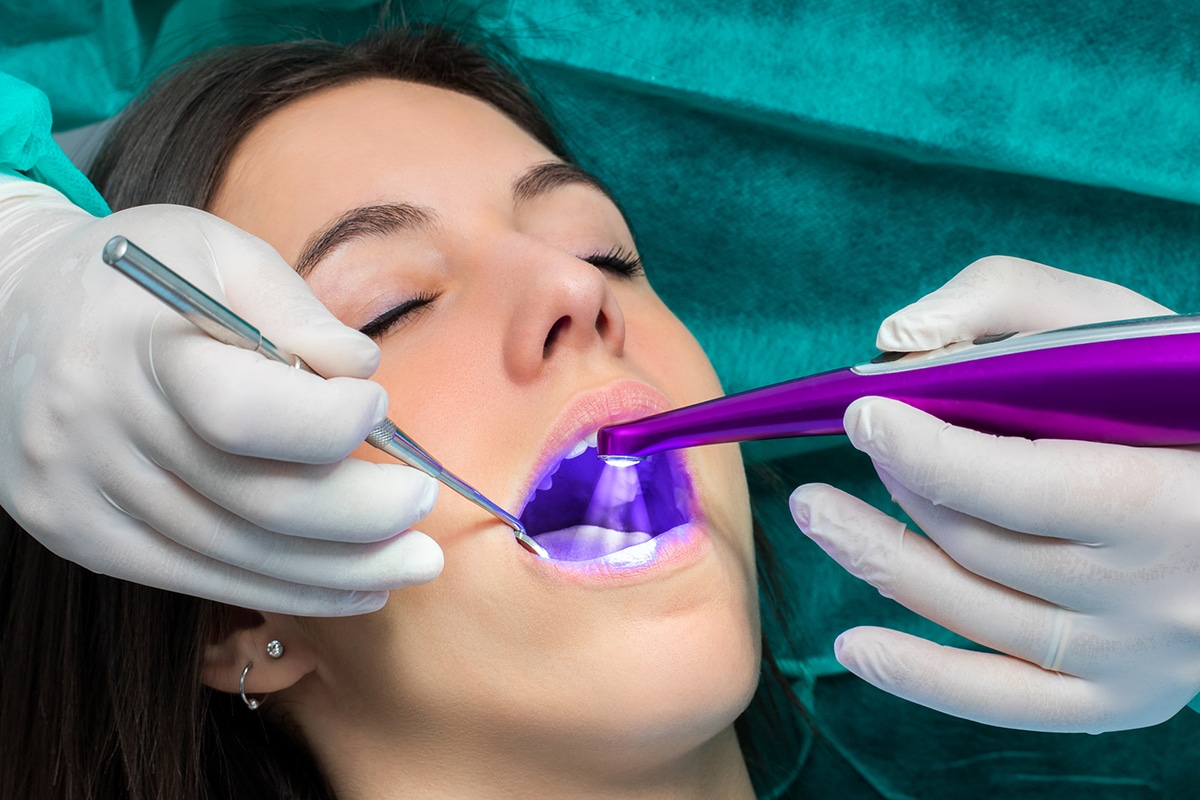
First, the teeth are cleaned and dried. A special solution is applied briefly to help the sealant bond properly. The sealant material is then painted onto the chewing surface of the tooth and hardened with a curing light.
Once complete, the sealants begin protecting the teeth immediately. Children can usually return to normal activities right away without discomfort or downtime.
Routine dental visits allow the dentist to check the condition of the sealants and reapply them if necessary. With proper care, sealants can provide long-lasting cavity protection during the years children are most vulnerable to tooth decay.
Protecting Your Child’s Smile Starts Early
Preventive dental care can make a major difference in your child’s long-term oral health. Dental sealants are one of the most effective ways to help reduce cavity risk, especially for children who show early warning signs of decay or have difficulty cleaning their molars thoroughly.
If your child has deep grooves in their teeth, a history of cavities, newly erupted permanent molars, or challenges with oral hygiene, it may be time to discuss sealants with your pediatric dentist. Early intervention can help preserve healthy teeth, reduce future dental treatment, and support a confident smile for years to come.
Frequently Asked Questions About Dental Sealants
At what age should children get dental sealants?
Most children receive sealants when their first permanent molars erupt around age 6 and again when second molars appear around age 12. However, some children may benefit from sealants earlier depending on their cavity risk and tooth development.
Are dental sealants safe for children?
Yes, dental sealants are considered safe and highly effective for preventing cavities. They have been used in pediatric dentistry for many years and are recommended by major dental organizations.
How long do dental sealants last?
Dental sealants can last several years with proper care and regular dental checkups. Your child’s dentist will monitor them during routine visits and recommend touch-ups if needed.
Can sealants be placed on baby teeth?
In some cases, sealants may be recommended for baby teeth if the child has deep grooves or a high risk of cavities. Protecting baby teeth is important because they help guide proper oral development.
Do sealants replace brushing and flossing?
No, sealants are an added layer of protection but do not replace daily oral hygiene. Children should still brush twice daily, floss regularly, and attend routine dental appointments.
At Rio Rancho Children's Dentistry, we are committed to helping children build healthy dental habits and maintain strong smiles through every stage of development. Our team provides compassionate pediatric dental care focused on prevention, education, and comfort for every child we see. To learn more about protecting your child’s teeth and preventive dental treatments, contact us today and schedule an appointment.