
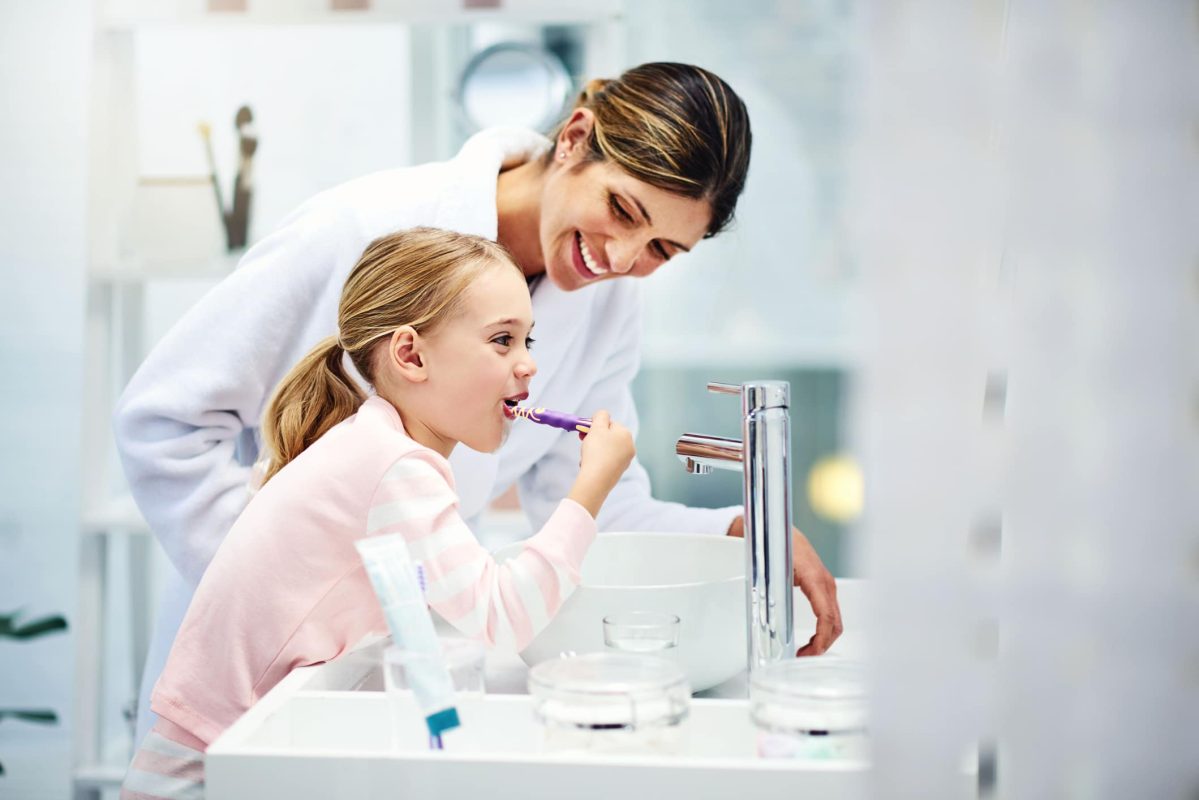
Helping your child build healthy dental habits starts at home. Learning how to brush and floss properly is one of the most important parts of preventive dentistry. When children understand the right techniques early on, they are more likely to maintain strong, healthy smiles as they grow.
At Rio Rancho Children’s Dentistry, we believe that education is just as important as treatment. By combining good at home care with professional support, families in Rio Rancho can give their children the foundation they need for lifelong oral health.
Why Proper Brushing and Flossing Matter for Children
Children are especially prone to cavities because their enamel is still developing and their brushing skills are often a work in progress. Even small amounts of plaque left behind on teeth can lead to tooth decay, gum irritation, and discomfort.
Brushing and flossing remove food particles and plaque that build up throughout the day. Plaque is a sticky film of bacteria that feeds on sugars and produces acids. These acids can weaken enamel and cause cavities. When plaque stays along the gumline, it can also lead to gingivitis, which is the early stage of gum disease.
Daily oral hygiene is a key part of preventive dentistry. When families combine proper brushing and flossing with routine dental visits, fluoride treatments, and professional cleanings, children are much less likely to experience dental problems. Consistent care helps avoid pain, missed school days, and more complex treatments later on.
How to Brush Properly at Every Age
Brushing techniques change as children grow. Parents play a critical role in guiding and supervising brushing until kids develop the coordination to do it well on their own.
Infants and Toddlers
Before teeth appear, gently wipe your baby’s gums with a soft, damp cloth after feedings. Once the first tooth erupts, use a small, soft bristled toothbrush with a tiny smear of fluoride toothpaste. Brush twice a day, especially before bedtime. At this stage, parents should do all the brushing.
Preschool and Early Elementary Age
As more teeth come in, use a pea sized amount of fluoride toothpaste. Hold the toothbrush at a slight angle toward the gumline and use small, gentle circular motions. Make sure to brush the front, back, and chewing surfaces of every tooth. Brushing should last 2 minutes, twice per day.
Children in this age group can begin practicing on their own, but parents should still supervise and help finish the job. Most children do not have the dexterity to brush thoroughly until around age 7 or 8.
Tweens and Teens
Older children can brush independently, but reminders still help. Encourage them to brush for a full 2 minutes, covering all areas of the mouth. Electric toothbrushes can be a helpful option for kids who need extra assistance reaching every surface.
Regardless of age, the basics stay the same. Use a soft bristled toothbrush, brush twice daily, and replace the toothbrush every 3 to 4 months or sooner if the bristles are frayed.
The Right Way to Floss for Healthy Gums
Flossing is just as important as brushing, yet it is often overlooked. A toothbrush cannot reach between teeth, where plaque and food debris easily collect. Without flossing, those tight spaces become prime areas for cavities and gum inflammation.
When to Start Flossing
As soon as two teeth touch, it is time to begin flossing. For many children, this happens around age 2 or 3. Parents should floss their child’s teeth daily until the child can manage it independently.
How to Floss Properly
Use about 18 inches of floss and wind most of it around your middle fingers, leaving a small section to work with. Gently slide the floss between the teeth using a careful back and forth motion. Curve the floss into a C shape against one tooth and move it up and down along the side of the tooth and under the gumline. Repeat on the adjacent tooth before moving to the next space.
Floss picks can be helpful for children and parents who find traditional floss difficult to use. The key is to floss gently to avoid snapping the floss against the gums, which can cause irritation.
Making flossing part of a daily routine reinforces strong habits. When children see flossing as a normal part of oral care, they are more likely to continue the practice into adulthood.
How Preventive Dentistry Supports At Home Care
Even with excellent brushing and flossing, professional dental care remains essential. Regular checkups allow the dental team to monitor growth, detect early signs of cavities, and provide preventive treatments that strengthen enamel.
Professional cleanings remove hardened plaque, known as tartar, that cannot be brushed away at home. Fluoride treatments help protect developing teeth, and dental sealants can shield the chewing surfaces of molars from decay.
At Rio Rancho Children’s Dentistry, we strive to create a positive and welcoming environment. When children feel comfortable at the dentist, they are more likely to build healthy attitudes about oral care.
Tips to Make Brushing and Flossing Easier for Kids
Establishing a routine can make all the difference. Choose consistent times each day, such as after breakfast and before bed, so brushing becomes a habit rather than a chore.
Use tools that make oral care fun. Let your child pick out a toothbrush with their favorite color or character. Play a 2 minute song or use a timer app to ensure they brush long enough. Reward charts can also encourage consistency.
Lead by example. When children see parents brushing and flossing daily, they understand that oral care is important for everyone. Turn brushing time into a family activity to reinforce positive habits.
Finally, maintain open communication with your child’s dental team. If your child struggles with brushing or flossing, we can provide demonstrations and personalized tips during appointments.
Building Lifelong Healthy Smiles
Teaching your child how to brush and floss properly is one of the most valuable gifts you can give them. Daily oral care, combined with regular dental visits, forms the foundation of strong teeth and healthy gums.
By focusing on preventive dentistry and encouraging consistent habits at home, families in Rio Rancho can help children avoid cavities and feel confident about their smiles. A little guidance today can lead to a lifetime of healthy smiles tomorrow.
Frequently Asked Questions About Pediatric Preventive Dentistry
How often should my child visit the dentist?
Most children should visit the dentist every 6 months for a checkup and cleaning. Regular visits allow early detection of problems and reinforce healthy habits.
What if my child resists brushing and flossing?
Resistance is common, especially in younger children. Try making oral care fun with songs, games, or reward systems. If challenges continue, our team can offer practical strategies to help.
At Rio Rancho Children’s Dentistry, we are committed to providing compassionate, child focused dental care for families in our community. We believe that education and early intervention are key to helping children develop strong, healthy smiles. Our team works closely with parents to support excellent at home habits and provide comprehensive preventive services. Contact us today to learn more and schedule an appointment.